Sandeep Padam, Brandi Newby, and Luo Lora WangTo cite: Padam S, Newby B, Wang LL. Dexamethasone use to reduce mechanical ventilation and bronchopulmonary dysplasia in the neonatal intensive care unit. Can J Hosp Pharm. 2024;77(3):e3523. doi: 10.4212/cjhp.3523
ABSTRACT
Background
Ventilator-dependent neonates are at risk of bronchopulmonary dysplasia (BPD), a chronic lung disease. Dexamethasone may be used to facilitate extubation and reduce the incidence of BPD.
Objectives
To determine the efficacy of dexamethasone in reducing the incidence of established BPD at 36 weeks postmenstrual age (PMA); to establish the rate of extubation success; to determine the factors affecting extubation success; and to describe complications associated with dexamethasone therapy.
Methods
A chart review was conducted at Surrey Memorial Hospital, in Surrey, British Columbia, for neonates who received dexamethasone to reduce the development of BPD between July 1, 2016, and June 30, 2022.
Results
A total of 47 neonates met the inclusion criteria. Of the 45 neonates still alive at 36 weeks PMA, all (100%) had BPD. Use of dexamethasone led to extubation success for 21 (47%) of these 45 neonates. The mean PMA at dexamethasone initiation was 30.7 weeks for neonates with extubation success, compared with 28.6 weeks for those with extubation failure (p = 0.001). Complications occurred in 43 (91%) of the 47 neonates.
Conclusions
BPD occurred in all of the neonates, despite a 47% extubation success rate. The timing of dexamethasone initiation was associated with extubation success. Further research is required to determine the dose and timing of dexamethasone needed to reduce the incidence of BPD.
Keywords: bronchopulmonary dysplasia, airway extubation, infant, newborn, corticosteroid
RÉSUMÉ
Contexte
Les nouveau-nés qui dépendent d’un ventilateur sont exposés à un risque de dysplasie broncho-pulmonaire (DBP), une maladie pulmonaire chronique. La dexaméthasone peut être utilisée pour faciliter l’extubation et réduire l’incidence de cette maladie.
Objectifs
Déterminer l’efficacité de la dexaméthasone pour réduire l’incidence de la DBP établie à 36 semaines d’âge postmenstruel (APM); établir la réussite de l’extubation; déterminer les facteurs ayant une incidence sur cette dernière; et décrire les complications associées au traitement par la dexaméthasone.
Méthodologie
Un examen des dossiers a été effectué à l’hôpital Surrey Memorial, à Surrey (Colombie-Britannique) pour les nouveau-nés ayant reçu de la dexaméthasone entre le 1er juillet 2016 et le 30 juin 2022 afin de réduire le risque de DBP.
Résultats
Au total, 47 nouveau-nés répondaient aux critères d’inclusion. Sur les 45 nouveau-nés encore en vie à 36 semaines d’APM, tous (100 %) souffraient de DBP. L’utilisation de dexaméthasone a permis de réussir l’extubation chez 21 (47 %) de ces 45 nouveau-nés. L’APM moyen au début de l’administration de la dexaméthasone était de 30,7 semaines pour les nouveau-nés dont l’extubation avait été réussie, contre 28,6 semaines pour ceux chez qui ce n’était pas le cas (p = 0,001). Des complications sont survenues chez 43 (91 %) des 47 nouveau-nés.
Conclusions
La DBP est survenue chez tous les nouveau-nés, malgré un taux de réussite d’extubation de 47 %. Le moment du début de l’administration de la dexaméthasone était associé à la réussite de l’extubation réussie. Des recherches supplémentaires sont nécessaires pour déterminer la dose de dexaméthasone requise et le moment opportun de l’administration pour réduire l’incidence de la BPD.
Mots-clés: dysplasie broncho-pulmonaire, extubation des voies respiratoires, nourrisson, nouveau-né, corticostéroïde
Bronchopulmonary dysplasia (BPD) is a chronic lung disease that can occur in preterm neonates. The current definition of BPD, as stated by Shennan and others1 and by the National Institute of Child Health and Human Development and the Office of Rare Diseases,2 is a requirement for oxygen at 36 weeks postmenstrual age (PMA). Isayama and others,3 however, suggested that oxygen support at 40 weeks PMA may be a better predictor of serious respiratory morbidity. Neonates born at less than 29 weeks gestational age or less than 1000 g birth weight are at high risk of BPD, with reported rates of 58% to 75%.4–6
The pathophysiology of BPD is multifactorial and involves disruption of lung development and abnormal repair mechanisms. Current management of BPD includes reducing the risk of preterm birth; use of noninvasive ventilation; supportive care focused on sparing oxygen supplementation; and administration of selected medications, including surfactant, caffeine, and corticosteroids.7 Dexamethasone has been used to facilitate extubation and reduce the incidence of BPD.8 However, the use of this medication is limited due to concerns about significant adverse effects that have been reported in the literature, including infectious, gastrointestinal, cardiac, endocrine, and neurological complications.6,8,9
There is currently no established standard of practice for administration of dexamethasone to facilitate extubation in neonates at risk of BPD. Older studies reported regimens with high doses and long durations, such as a 42-day regimen with a cumulative dose of 7.56 mg/kg.10 Concerns about adverse neurodevelopment with exposure to steroids led most sites to stop using high-dose, prolonged steroid courses, and many adopted the low-dose course that was investigated by Doyle and others,11 a 10-day regimen with a cumulative dose of 0.89 mg/kg. Ramaswamy and others12 recently reviewed steroid regimens that included dexamethasone doses of 0.89 to about 8 mg/kg per course. Current Canadian guidelines recommend limiting steroid exposure by starting at a dose of 0.15 to 0.2 mg/kg/day and tapering over 7–10 days.13
At the time this study was undertaken, the neonatal intensive care unit (NICU) of Surrey Memorial Hospital (Surrey, British Columbia) had been using the protocol of Doyle and others11 for approximately 10 years, although several aspects of this protocol remained controversial, such as when to start, stop, or extend steps within the protocol or when to alter the total dose per course. Therefore, the objectives of this quality improvement project were to obtain baseline data for the dose and regimen of dexamethasone administered in the Surrey Memorial Hospital NICU; to review the efficacy of dexamethasone use in reducing the incidence of established BPD at 36 weeks PMA; to establish the rate of extubation success; to determine the factors affecting extubation success; and to describe complications associated with dexamethasone administration during the NICU stay.
Neonates who received dexamethasone in the NICU of Surrey Memorial Hospital between July 1, 2016, and June 30, 2022, were identified from a pharmacy-generated report. A period of several years was selected to ensure a reasonable sample size, and a convenience sample was used. Neonates were included if they had received dexamethasone to facilitate extubation or prevent intubation, with the intention to reduce ventilator support and incidence of BPD at 36 weeks PMA. Neonates were excluded if they had received a short course of dexamethasone for a documented indication of airway edema.
For this retrospective chart review, the following demographic data were collected: maternal factors (age, number of neonates per birth, pre-eclampsia, smoking history, mode of delivery, antenatal steroid administration, chorioamnionitis) and neonatal factors (gestational age, birthweight, APGAR score at 5 minutes, small for gestational age, sex, timing of intubation, respiratory distress syndrome, surfactant administration, caffeine use, grade 3 or 4 intraventricular hemorrhage, patent ductus arteriosus [PDA] requiring treatment, and early-onset sepsis).
Management of respiratory support and dexamethasone administration was at the discretion of the clinical team providing care for the neonate. The following data were collected to describe the dexamethasone treatment regimen: dexamethasone dose (mg/kg per course); PMA, day of life (DOL), and weight at dexamethasone initiation; number of days in dexamethasone course; and rationale for any modifications to the course.
The primary outcomes were the number of neonates with a requirement for oxygen at 36 weeks PMA (i.e., established BPD) and at 40 weeks PMA; and the number of successful extubations by days 3, 7, and 10 after dexamethasone initiation. Data collected for assessment of efficacy were daily maximum and minimum respiratory support, DOL at extubation, DOL at repeat intubation, and DOL at retreatment. Successful extubation was defined as extubation with no re-intubation within 7 days of the extubation, as well as extubation within 14 days of dexamethasone initiation; if these criteria were not met, extubation was considered to have failed.14,15
Secondary outcomes were factors associated with extubation success and incidence of complications during or after dexamethasone administration. Various complications (i.e., adverse events possibly associated with dexamethasone use) were assessed during 3 timeframes: first, during dexamethasone administration, specifically hyperglycemia (blood glucose > 8 mmol/L), hypoglycemia (blood glucose < 3 mmol/L), or blood pressure changes requiring intervention (unexpected hypoglycemia had been observed anecdotally following dexamethasone administration in our unit, so was included in the review); second, within 28 days of dexamethasone administration, specifically gastrointestinal bleeding, gastrointestinal perforation, possible necrotizing enterocolitis, or infection; and third, after dexamethasone administration and within the NICU stay, specifically PDA requiring treatment, retinopathy of prematurity requiring treatment, hypertrophic cardiomyopathy, periventricular leukomalacia, or death.
Descriptive statistics were used to summarize the data, and t tests were performed to compare the means of PMA, DOL, and weight at dexamethasone initiation for patients with extubation success and failure. A p value less than 0.05 was considered statistically significant.
A total of 58 patient encounters were identified for review. Nine neonates were excluded because they received dexamethasone for airway edema, and an additional 2 encounters were consolidated because of hospital transfers, yielding a convenience sample of 47 neonates. Of the 47 neonates, 2 received dexamethasone for prevention of intubation. Repeat courses were administered to 19 (40%) of the neonates, with a total of 74 courses. For each neonate, only the first dexamethasone course was assessed.
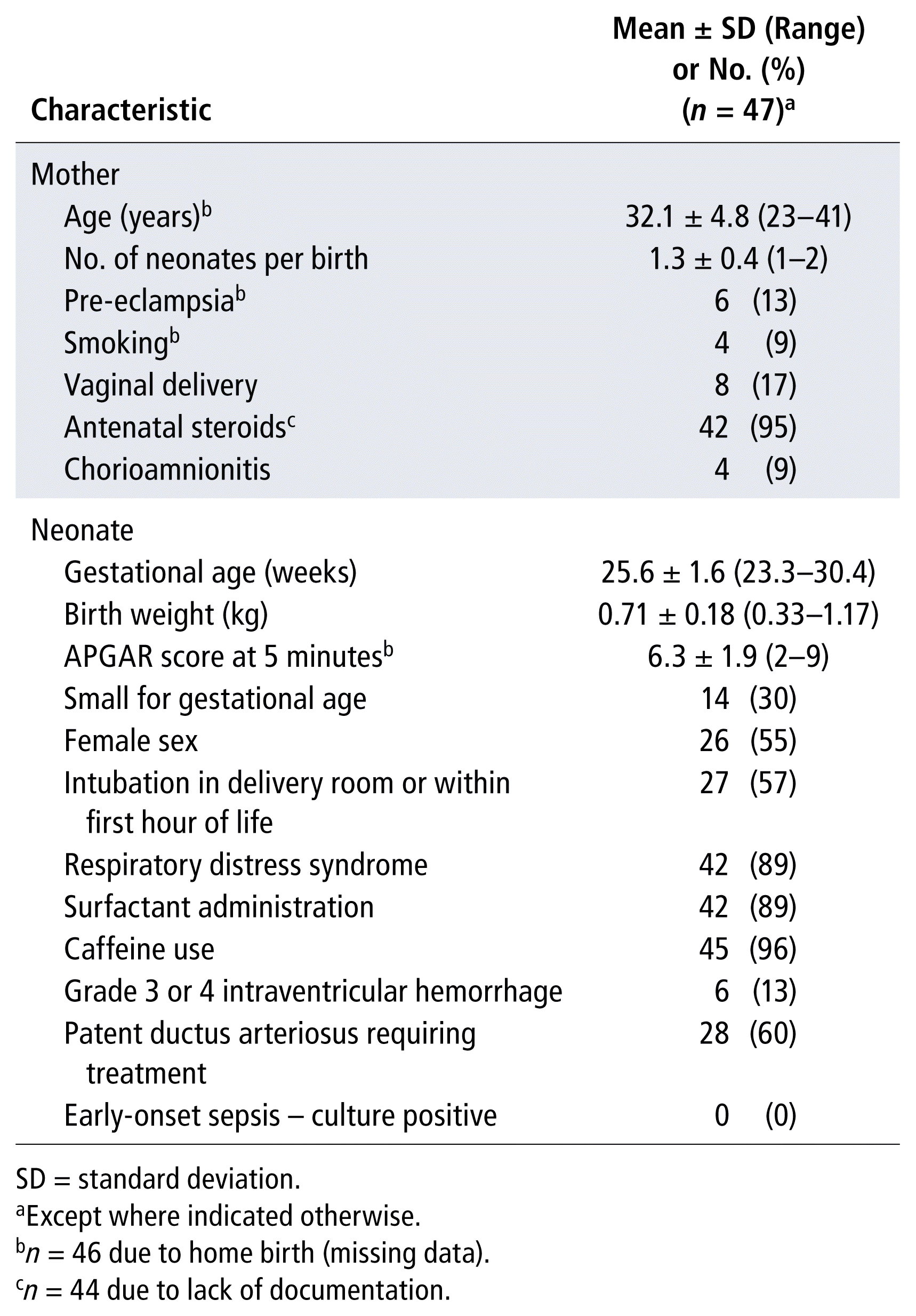
The mean gestational age was 25.6 (standard deviation [SD] 1.6) weeks, and the mean birth weight was 0.71 (SD 0.18) kg (Table 1). Caffeine was administered to 45 (96%) of the neonates.
TABLE 1 Maternal and Neonatal Characteristics
The mean dexamethasone dose was 0.84 (SD 0.27) mg/kg per course (range 0.14–1.64 mg/kg per course). At dexamethasone initiation, the mean PMA was 29.7 (SD 2.2) weeks, mean DOL was 28.8 (SD 12) days, and mean neonatal weight was 1.1 (SD 0.3) kg. Dexamethasone was given according to the Doyle protocol for 26 (55%) of the 47 neonates, and the other 21 (45%) received a modified course. Modifications for these 21 patients were intentional extension for 7 (33%), prespecified 7- or 8-day regimens for 4 (19%), and discontinuation secondary to an adverse effect or minimal response for 10 (48%).
By 36 weeks PMA, 2 of the neonates had died, and by 40 weeks PMA, another had died, for a total of 3 deaths, resulting in subset sample sizes of 45 and 44, respectively. At 36 weeks PMA, all 45 of the neonates (100%) had established BPD, whereas at 40 weeks PMA, the proportion was 36/44 (82%). Dexamethasone administration to facilitate extubation in 45 neonates led to successful extubation for 21 (47%). For the 21 neonates with extubation success, the extubation occurred by day 3 for 12 of the neonates (57%), by day 7 for 20 (95%), and by day 10 for all 21 (100%). Of the 24 neonates who did not meet the criteria for successful extubation (i.e., extubation failure), 8 (33%) were re-intubated within 7 days; for the remaining 16 (67%) there was no attempt at extubation within 14 days.
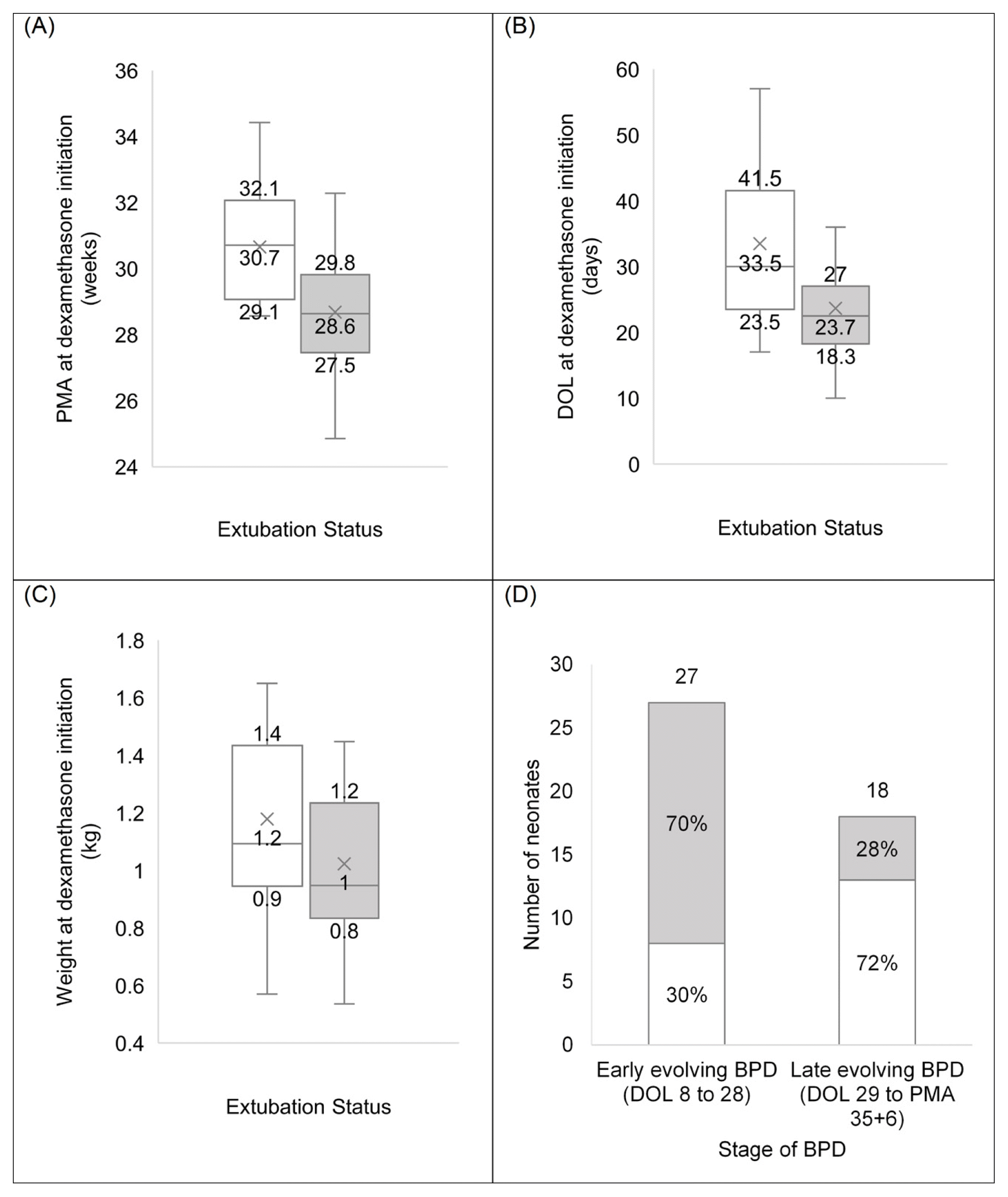
For the neonates with extubation success, dexamethasone was initiated at a later PMA and DOL than for the neonates with extubation failure (Figure 1A and 1B). However, the mean neonatal weight at initiation was not significantly different between groups with extubation success and extubation failure (Figure 1C). The rate of extubation failure was 70% for neonates with dexamethasone initiation between 8 and 28 DOL and 28% for those with dexamethasone initiation after 28 DOL (Figure 1D).
|
| ||
|
FIGURE 1 Box plots and bar graphs of extubation success (unshaded boxes) and failure (shaded boxes) in relation to various factors: (A) postmenstrual age (PMA) at dexamethasone initiation (p = 0.001); (B) day of life (DOL) at dexamethasone initiation (p = 0.003); (C) neonatal weight at dexamethasone initiation (p = 0.11); (D) timing of dexamethasone initiation in relation to stage of bronchopulmonary dysplasia. For box plots, X = mean; horizontal line within each box = median; vertical limits of each box = interquartile range (i.e., Q1 to Q3); upper and lower error bars = maximum and minimum values, respectively. For each box plot, numeric values are specified for the mean and IQR limits. The values were calculated and box plots graphed using the box plot function in Microsoft Excel spreadsheet software. | ||
There was at least 1 complication in 43 (91%) of the 47 neonates. During dexamethasone administration, hyperglycemia occurred in 11 (23%) of the 47 neonates, hypoglycemia in 11 (23%), and hypertension treated with an antihypertensive in 2 (4%). Using the Naranjo adverse drug reaction probability scale,16 we determined that hyperglycemia and hypertension were probably reactions to dexamethasone, and hypoglycemia was possibly to probably due to dexamethasone exposure. Within 28 days of dexamethasone initiation, gastrointestinal bleeding occurred in 3 (6%) of the 47 neonates, gastrointestinal perforation in none (0%), possible necrotizing enterocolitis in 3 (6%), and culture-positive infection in 25 (53%). Following dexamethasone administration but within the NICU stay, PDA requiring treatment occurred in 7 (15%) of the 47 neonates, retinopathy of prematurity requiring treatment in 13 (28%), hypertrophic cardiomyopathy in 7 (15%), confirmed or possible periventricular leukomalacia in 7 (15%), and death in 5 (11%).
In this project, the use of dexamethasone to facilitate extubation was successful (with the first course) for 47% of the neonates. However, dexamethasone use did not lead to a reduction in BPD at 36 weeks PMA, as the incidence was 100%. Similarly, Ramaswamy and others12 reported no change in BPD when cumulative dexamethasone doses were less than 2 mg/kg; however, they did observe a reduction in BPD when the dose was 2 to 4 mg/kg. The results of the current study are similar to those in the study by Doyle and others,11 who found that the incidence of BPD following low-dose dexamethasone (mean cumulative dose 0.88 mg/kg) was 84.9% compared with 90.6% for placebo (p = 0.48). The extubation failure rates at days 3 (73%) and 7 (56%) in the current study were also similar to those reported by Doyle and others11 at days 3 (65.7%) and 7 (48.6%).
Dose variability in this study was attributed to modification of the course of therapy, whereby steps were extended or stopped on the basis of clinician judgment and patient response. Doyle and others11 also reported cumulative dose variability (mean 0.88 mg/kg, interquartile range 0.84–0.91); however, they did not state reasons for deviation from protocol.
Extubation success was associated with later initiation of dexamethasone, at 33.5 DOL compared with 23.7 DOL for extubation failure. Some authors have suggested that initiation of dexamethasone before 36–50 DOL is associated with less severe BPD, whereas others have suggested that initiation between 8 and 14 DOL may be the most beneficial.12,17–19 Assuming that dexamethasone leads to successful extubation, initiation of this medication earlier in life could lead to less exposure to mechanical ventilation and less ventilator-associated infection, inflammation, and lung injury, which should in turn lead to a reduced risk of BPD.7 Ramaswamy and others12 reported that a moderately early, medium dose of dexamethasone may be the most beneficial neonatal steroid regimen for preventing BPD.
In the current study, dexamethasone initiation between 8 and 28 DOL was associated with extubation failure in 70% of the neonates, compared with 28% extubation failure with dexamethasone use after 28 DOL. Certain neonate-specific factors, such as birth weight, PMA, and ventilator settings, may influence dexamethasone-related extubation success and incidence of BPD, although optimal timing of dexamethasone initiation and dose per course may play important roles that are yet to be determined.
Complications from dexamethasone use occurred in almost all neonates, with 91% experiencing at least 1 complication. The incidence of infections within 28 days of dexamethasone initiation was 53%, consistent with the incidence reported by Doyle and others.11 One complication that occurred during dexamethasone treatment but has not, to our knowledge, been previously reported for neonates was hypoglycemia. Among these neonates, blood glucose levels were stable before dexamethasone initiation. Blood glucose monitoring is a standard of practice at our site for patients receiving dexamethasone. Hypoglycemia occurred in 23% of the neonates in this study, an incidence similar to that for hyperglycemia, which is a known complication of dexamethasone administration. It is unclear at this time why the neonates experienced hypoglycemia with dexamethasone administration, and further investigation is therefore needed.
Some limitations of this project include the small sample size, the lengthy study period, and the retrospective interpretation of outcomes. All included neonates were thought to be at risk of BPD and were started on low-dose dexamethasone, as per our site’s dosing guideline. Although baseline characteristics and BPD risk factors in this study were similar to those reported by Doyle and others,11 the incidence of BPD among patients not receiving steroids in our population is unknown. The proportion of neonates who were small for gestational age, with birth weight less than the 10th centile, was 30%, higher than the typical rate of 10%; this may have affected outcomes through increased risk of morbidity and mortality in such patients.19
Dexamethasone was associated with a rate of extubation success of 47% with the first course, which was administered at a mean PMA of 29.7 weeks. Despite this level of success, BPD occurred in all neonates at 36 weeks PMA. Later initiation of dexamethasone was associated with extubation success, which suggests that the timing of initiation is an important consideration. Complications from dexamethasone occurred in 91% of the neonates, which suggests that a risk–benefit assessment should be completed before initiation of the drug. The next step in this quality improvement project will be to implement a medium dose of dexamethasone (2–4 mg/kg per course), to determine whether a larger amount of drug would help to reduce the incidence of extubation failure and BPD at 36 weeks PMA.
1 Shennan AT, Dunn MS, Ohlsson A, Lennox K, Hoskins EM. Abnormal pulmonary outcomes in premature infants: prediction from oxygen requirement in the neonatal period. Pediatrics. 1988;82(4):527–32.
Crossref PubMed
2 Jobe AH, Bancalari E. Bronchopulmonary dysplasia. Am J Respir Crit Care Med. 2001;163(7):1723–9.
Crossref PubMed
3 Isayama T, Lee SK, Yang J, Lee D, Daspal S, Dunn M, et al. Revisiting the definition of bronchopulmonary dysplasia: effect of changing panoply of respiratory support for preterm neonates. JAMA Pediatr. 2017; 171(3):271–9.
Crossref PubMed
4 Beltempo M, Shah P, Yoon EW, Chan P, Balachandran N; Annual Report Review Committee. The Canadian Neonatal Network™ Le Réseau Néonatal Canadien™ annual report 2021 rapport annuel. Canadian Neonatal Network; 2021 [cited 2023 Jun 25]. Available from http://www.canadianneonatalnetwork.org/portal/Portals/0/Annual%20Reports/2021%20CNN%20annual%20report%20final_amended.pdf
5 Klinger G, Sokolover N, Boyko V, Sirota L, Lerner-Geva L, Reichman B; Israel Neonatal Network. Perinatal risk factors for bronchopulmonary dysplasia in a national cohort of very-low-birthweight infants. Am J Obstet Gynecol. 2013;208(2):115.e1–9.
Crossref
6 Yao S, Uthaya S, Gale C, Modi N, Battersby C; UK Neonatal Collaborative (UKNC). Postnatal corticosteroid use for prevention or treatment of bronchopulmonary dysplasia in England and Wales 2012–2019: a retrospective population cohort study. BMJ Open. 2022;12(11):e063835.
Crossref PubMed PMC
7 Hennelly M, Greenberg RG, Aleem S. An update on the prevention and management of bronchopulmonary dysplasia. Pediatr Health Med Ther. 2021;11(12):405–19.
Crossref
8 Doyle LW, Cheong JL, Hay S, Manley BJ, Halliday HL. Late (≥ 7 days) systemic postnatal corticosteroids for prevention of bronchopulmonary dysplasia in preterm infants. Cochrane Database Syst Rev. 2021; 2021(11):CD001145.
PMC
9 Gao S, Zhang X, Du W, Zhou X, Xi Y, Ju R. Systematic review and meta-analysis: the effect of bronchopulmonary dysplasia on neurodevelopment in very low birth weight premature infants. Transl Pediatr. 2021;10(11):3023–33.
Crossref PMC
10 Kothadia JM, O’Shea TM, Roberts D, Auringer ST, Weaver RG 3rd, Dillard RG. Randomized placebo-controlled trial of a 42-day tapering course of dexamethasone to reduce the duration of ventilator dependency in very low birth weight infants. Pediatrics. 1999;104(1 Pt 1): 22–7. Erratum in: Pediatrics. 2004;114(6):1746.
Crossref PubMed
11 Doyle LW, Davis PG, Morley CJ, McPhee A, Carlin JB; DART Study Investigators. Low-dose dexamethasone facilitates extubation among chronically ventilator-dependent infants: a multicenter, international, randomized, controlled trial. Pediatrics. 2006;117(1):75–83.
Crossref PubMed
12 Ramaswamy VV, Bandyopadhyay T, Nanda D, Bandiya P, Ahmed J, Garg A, et al. Assessment of postnatal corticosteroids for the prevention of bronchopulmonary dysplasia in preterm neonates: a systematic review and network meta-analysis. JAMA Pediatr. 2021;175(6):e206826.
Crossref PubMed PMC
13 Lemyre B, Dunn M, Thebaud B; Fetus and Newborn Committee. Postnatal corticosteroids to prevent or treat bronchopulmonary dysplasia in preterm infants [position statement]. Paediatr Child Health. 2020;25(5):322–6.
Crossref PubMed PMC
14 Guy B, Dye ME, Richards L, Guthrie SO, Hatch LD. Association of time of day and extubation success in very low birthweight infants: a multicenter cohort study. J Perinatol. 2021;41(10):2532–36.
Crossref PubMed PMC
15 Giaccone A, Jensen E, Davis P, Schmidt B. Definitions of extubation success in very premature infants: a systematic review. Arch Dis Child Fetal Neonatal Ed. 2014;99(2):F124–7.
Crossref
16 Adverse drug reaction probability scale (Naranjo) in drug induced liver injury. In: LiverTox: clinical and research information on drug-induced liver injury. National Institute of Diabetes and Digestive and Kidney Diseases; 2012 [updated 2019 May 4; cited 2023 Jun 30]. Available from: https://www.ncbi.nlm.nih.gov/books/NBK548069/
17 Harmon HM, Jensen EA, Tan S, Chaudhary AS, Slaughter JL, Bell EF, et al. Timing of postnatal steroids for bronchopulmonary dysplasia: association with pulmonary and neurodevelopmental outcomes. J Perinatol. 2020;40(4):616–27.
Crossref PubMed PMC
18 Cuna A, Lagatta JM, Savani RC, Vyas-Read S, Engle WA, Rose RS, et al. Association of time of first corticosteroid treatment with bronchopulmonary dysplasia in preterm infants. Pediatr Pulmonol. 2021; 56(10):3283–2.
Crossref PubMed PMC
19 Boghossian NS, Geraci M, Edwards EM, Horbar JD. Morbidity and mortality in small for gestational age infants at 22 to 29 weeks’ gestation. Pediatrics. 2018;141(2):e20172533.
Crossref PubMed
Address correspondence to: Dr Sandeep Padam, Neonatal and Pediatric Pharmacy, Surrey Memorial Hospital, Room 2-602, 13750 96th Avenue, Surrey BC V3V 1Z2, email: sandeep.padam@fraserhealth.ca
Competing interests: None declared.
Funding: None received.
Submitted: July 30, 2023
Accepted: March 11, 2024
Published: August 14, 2024
© 2024 Canadian Society of Hospital Pharmacists | Société canadienne des pharmaciens d’hôpitaux
Canadian Journal of Hospital Pharmacy, VOLUME 77, NUMBER 3, 2024